As a playground china manufacturer with over a decade of experience, I have seen too many new business owners panic when the bills start piling up after the contract is signed. They look at the “FOB Price” or “EXW Price” and think that is the final number. It never is.
Calculating the true indoor playground equipment cost requires looking beyond the steel and plastic. It requires understanding the “Invisible Expenses”—the logistics, the labor, and the local compliance—that can eat your budget alive if you don’t plan for them.
In this guide, I’m not going to sell you a slide. I’m going to act as your financial advisor and reveal the 5 Hidden Costs that most suppliers conveniently forget to mention.
1. The “Logistics Iceberg”: Shipping is Not Just Freight
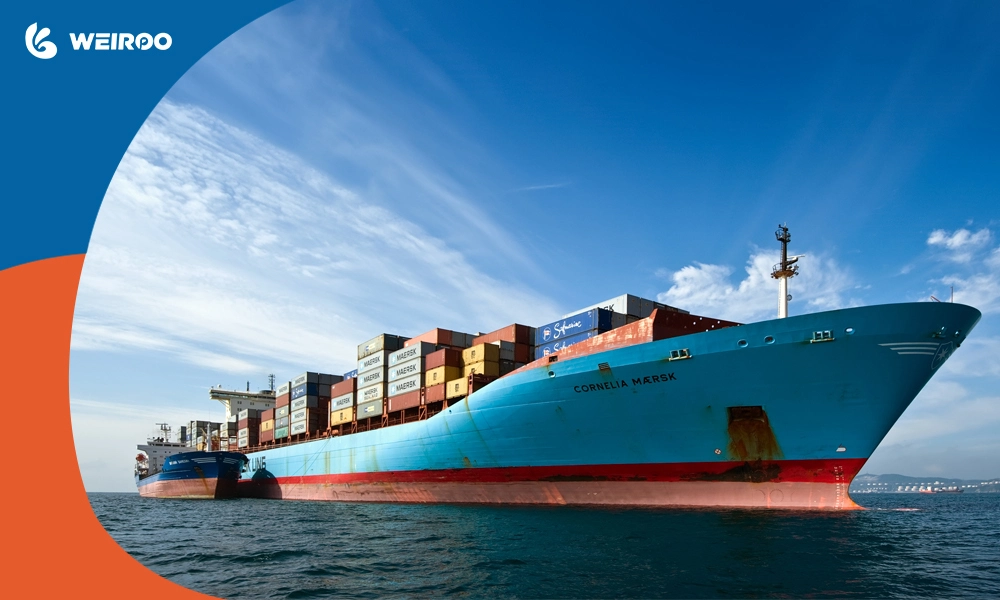
When you ask for a quote, most Chinese suppliers (including us) will give you an EXW (Ex-Works) or FOB (Free on Board) price.
- EXW: The price of the equipment sitting on my factory floor.
- FOB: The price to get it onto the ship in China.
Even if you negotiate CIF (Cost, Insurance, and Freight) to your local port, you have only paid for the tip of the iceberg. The real pain starts when the ship docks at your country’s port.
The “Destination Charges” Shock
Many first-time importers are shocked when they receive a bill from the destination port agent for $1,000 – $2,000 per container before they can even pick up the goods.
- DTHC (Destination Terminal Handling Charges): The crane fee to move your box off the ship.
- Documentation Fees: Paperwork processing.
- Security & ISPS Charges: Port security fees.
The Customs Reality
You must pay import duties and VAT (Value Added Tax) immediately.
- HS Code Strategy: Use the code 9506990000 to check your local tariff rate. In Europe, VAT can be 20%+. In the USA, tariffs fluctuate.
- The Hidden Cost: If you budget $30,000 for equipment, you might need $6,000+ just for taxes.
Inland Trucking
Moving a 40HQ container from the port to your warehouse isn’t like calling an Uber. If your venue is 200km from the port, heavy haulage can cost $500 – $1,500.
- Fuel Surcharge: This changes weekly.
- Peak Season Fee: Delivery in December costs more than in March.
Budget Rule: Always add 15-20% on top of the equipment price for “Logistics & Taxes.”
2. The Unloading Crisis: Do You Have a Forklift?
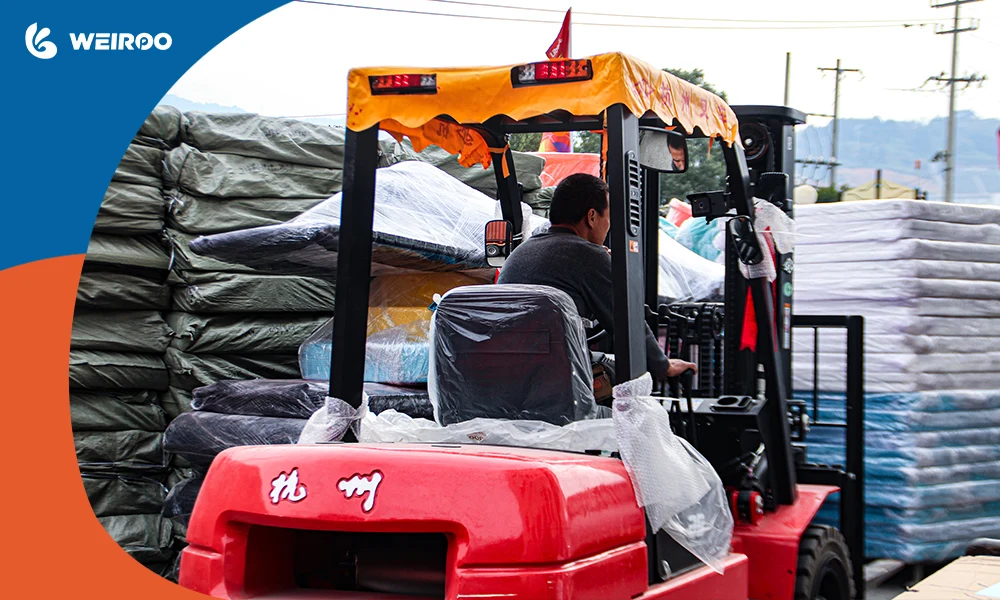
I dedicated a whole section to this in my previous guide, but it is expensive enough to list again as a major hidden cost.
Your delivery driver is not a mover. He is a driver. His job is to back the truck up to your dock (if you have one), open the doors, and wait.
The “2-Hour” Clock
Most trucking companies give you 2 hours of free unloading time. A 40HQ container is packed floor-to-ceiling with 10 tons of steel pipes, soft pads, and heavy ball sacks.
- Scenario A: You and two friends try to unload it by hand. You fail. The driver waits 6 hours. You pay $400 in “Demurrage Fees” (Waiting Fees).
- Scenario B: You rent a forklift.
The Hidden Equipment Rental
You cannot unload efficient bundles of steel without a machine.
- Forklift Rental: You need to rent a 2.5-ton forklift for the delivery day ($300 – $500/day).
- Telehandler: If you don’t have a loading dock (ground level unloading), you might need a Telehandler ($800/day) to reach into the container.
Expert Advice: Don’t be cheap here. Rent the forklift. It saves your back and your wallet.
3. Installation Life Support: Feeding the Army
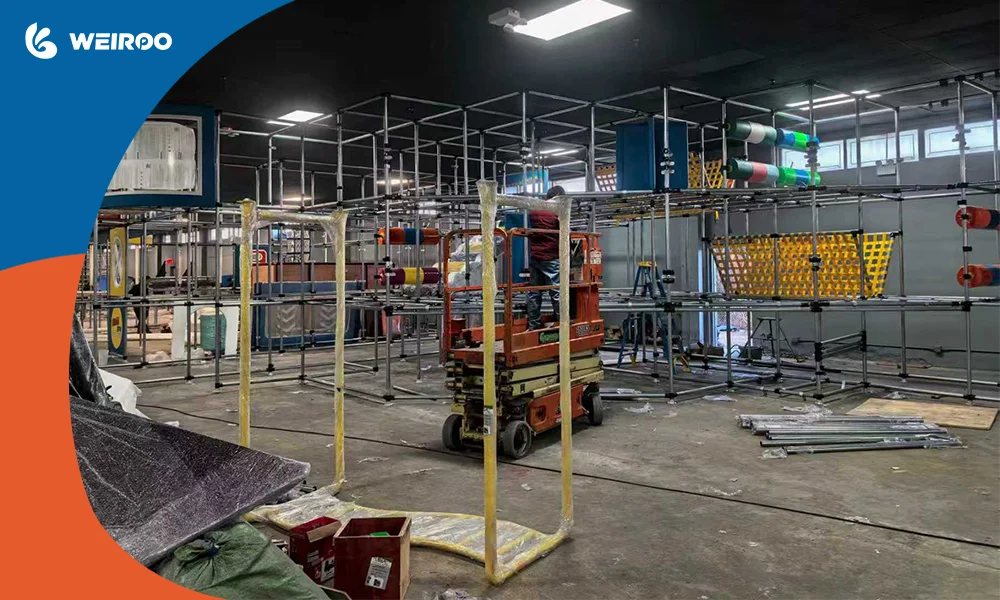
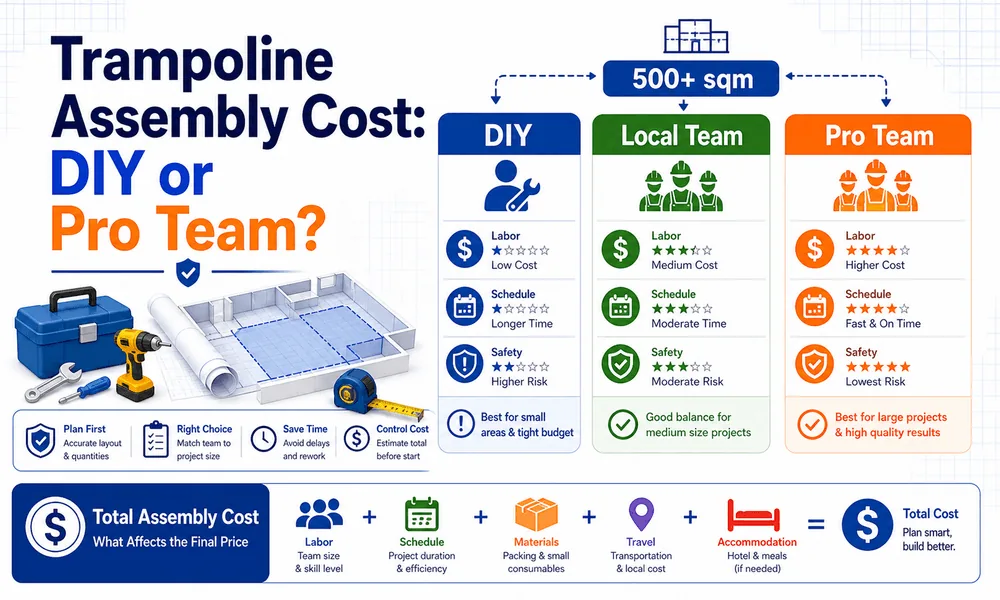
When you look at the indoor playground cost on a quotation, you might see an installation fee (e.g., “$150 per day per engineer”).
You do the math: 2 engineers x 15 days = $4,500. “Great, I can afford that,” you think.
Wrong.
That $4,500 is just their salary. You are also responsible for their “Life Support.”
The “Travel & Living” Bill
If you hire our professional Chinese installation team (which is highly recommended for complex structures), you are the host.
- Round-Trip Flights: $1,000 – $2,000 per person (depending on season).
- Visa Fees: $150+ per person.
- Accommodation: You must provide a safe, clean hotel or Airbnb near the venue (approx. $100/night x 2 rooms x 15 days = **$3,000**).
- Food: You must provide 3 meals a day. Hungry workers work slowly. Budget $50/day/person.
The “Scaffolding” Surprise
Our engineers bring their hand tools (drills, wrenches), but they cannot bring heavy equipment on the plane.
- Scaffolding (Mobile Towers): You must rent this locally. For a 5.5m high ceiling, this is mandatory.
- Scissor Lift: For large arenas, a scissor lift increases speed by 50%, but costs $1,000/week to rent.
Real Budget: The “Installation Fee” on the invoice is usually only 50% of the actual cost to build the park.
4. The “Invisible” Construction: Site Preparation
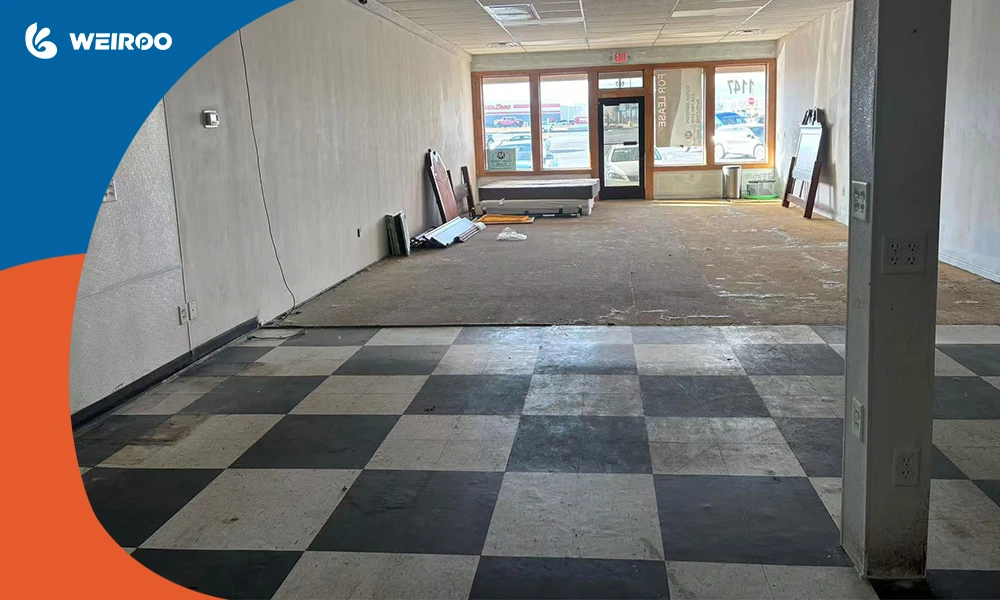
This is where I see projects get delayed by weeks. The equipment arrives, but the building isn’t ready.
A playground imposes specific demands on your building. You cannot just bolt it to any floor.
The Flooring Trap
Indoor playgrounds require a perfectly level concrete floor.
- If your warehouse floor has a slope (for drainage) or cracks, our columns will not stand straight.
- Hidden Cost: You may need to hire a local contractor to pour Self-Leveling Concrete ($2,000 – $5,000) before we arrive. If we arrive and the floor is bad, we sit in the hotel (while you pay us) until you fix it.
Lighting & Fire Safety
- Lighting: Once the maze of equipment is built, it will cast shadows. You often need to add extra high-bay lights above the structure.
- Fire Sprinklers: Does your local fire code require sprinklers underneath the play levels? Moving sprinkler heads is expensive plumbing work.
- HVAC: Soft play gets hot. Kids generate a lot of heat. You may need to upgrade your air conditioning ducting to blow into the play zones.
5. Post-Opening Maintenance: The “Consumables” Cash Burn
Congratulations, you are open! But the spending doesn’t stop.
A playground is a living machine. Thousands of kids will jump, pull, bite, and scratch your investment. The “Warranty” covers manufacturing defects (like a steel weld breaking), but it does not cover wear and tear.
The “Ball Pit” Tax
- Ball Loss: Kids put balls in their pockets. Balls get crushed. You will lose about 10% of your balls every year.
- Cleaning: You cannot wash 20,000 balls by hand. You need to buy an Automatic Ball Cleaning Machine (approx. $1,500 – $3,000). If you don’t, your park will smell, and parents won’t come back.
The “Soft Play” Skin
High-traffic areas (like the entry decks and slide exits) will wear out.
- PVC Vinyl: Over 2-3 years, the PVC vinyl will crack or peel.
- Netting: Kids love to poke fingers into nets.
My Advice: When you order the park, ask us to include a “Spare Parts Kit” (extra PVC skin, zip ties, springs, and netting). Buying these with the container is free shipping. Buying them later via FedEx is expensive.
Conclusion: The “Plus 30%” Rule
So, what is the real indoor playground equipment cost?
After analyzing hundreds of projects, my rule of thumb for a healthy budget is: Catalog Price + 30%.
If the equipment invoice is $50,000, you should have $65,000 liquid cash ready.
- $50,000 for the gear.
- $15,000 for the shipping, taxes, hotels, forklifts, flooring, and inspectors.
Why am I telling you this? Because I want you to succeed. A client who runs out of money halfway through installation is a nightmare for both of us. A client who plans for these costs becomes a profitable, long-term partner who opens a second and third location.
Ready for a quote that respects your intelligence? Send us your floor plan today. We won’t just give you a price; we will help you build a Total Project Budget.
FAQ
Q1: Does shipping to the USA cost the same as shipping to Europe or Australia?
No. Ocean freight is highly volatile and strictly depends on your specific port. Expert Insight: The “Logistics Iceberg” varies by region. Shipping a 40HQ to the US West Coast (e.g., Los Angeles) is usually faster and cheaper than shipping to the US East Coast (e.g., New York) or inland cities like Chicago, which require expensive rail transfers. European ports (like Rotterdam or Felixstowe) have their own fluctuating THC (Terminal Handling Charges). Always ask us to quote shipping based on your exact zip code, not just your country.
Q2: Do I need to pay extra for ASTM (USA) or EN (Europe) safety certifications?
You don’t pay us extra for the standard, but you must pay for your local inspector. Expert Insight: As a professional playground china manufacturer, our baseline engineering already meets ASTM (North America) and EN1176 (Europe) standards. We don’t charge you a “premium fee” for this. However, the hidden cost is your local compliance. If you are in the UK, you must pay a local RoSPA inspector. If you are in California or Australia, local fire marshals might demand specific flame-retardant certificates. Budget $1,000 – $3,000 for local administrative approvals.
Q3: My venue is in a very hot/humid region (e.g., Middle East, Southeast Asia). Are there hidden material costs?
The equipment cost remains similar, but your HVAC (Air Conditioning) budget will explode. Expert Insight: Our galvanized steel and PVC are built to handle moisture. However, the true hidden cost for hot GEOs is your venue preparation. An indoor playground packed with 100 running kids generates massive body heat. If you are opening in Dubai, Florida, or Singapore, you cannot rely on standard building AC. You must invest heavily in upgraded HVAC systems with powerful dehumidifiers, or your soft play vinyl will become slippery and unhygienic.
Q4: Can your Chinese installation team easily get visas to my country?
It depends on your passport control, and visa fees are a hidden cost you must cover. Expert Insight: Sending our “Turnkey Team” to Southeast Asia or the Middle East is fast and straightforward. However, if you are in the USA, UK, or Schengen Area, visa processing can take months and cost hundreds of dollars in non-refundable application fees. If our workers’ visas are delayed or rejected (which happens), you will need to pivot to our “Supervisor Model” and hire local laborers, which changes your indoor playground equipment cost calculation drastically. Always start the visa paperwork the day you pay the equipment deposit!